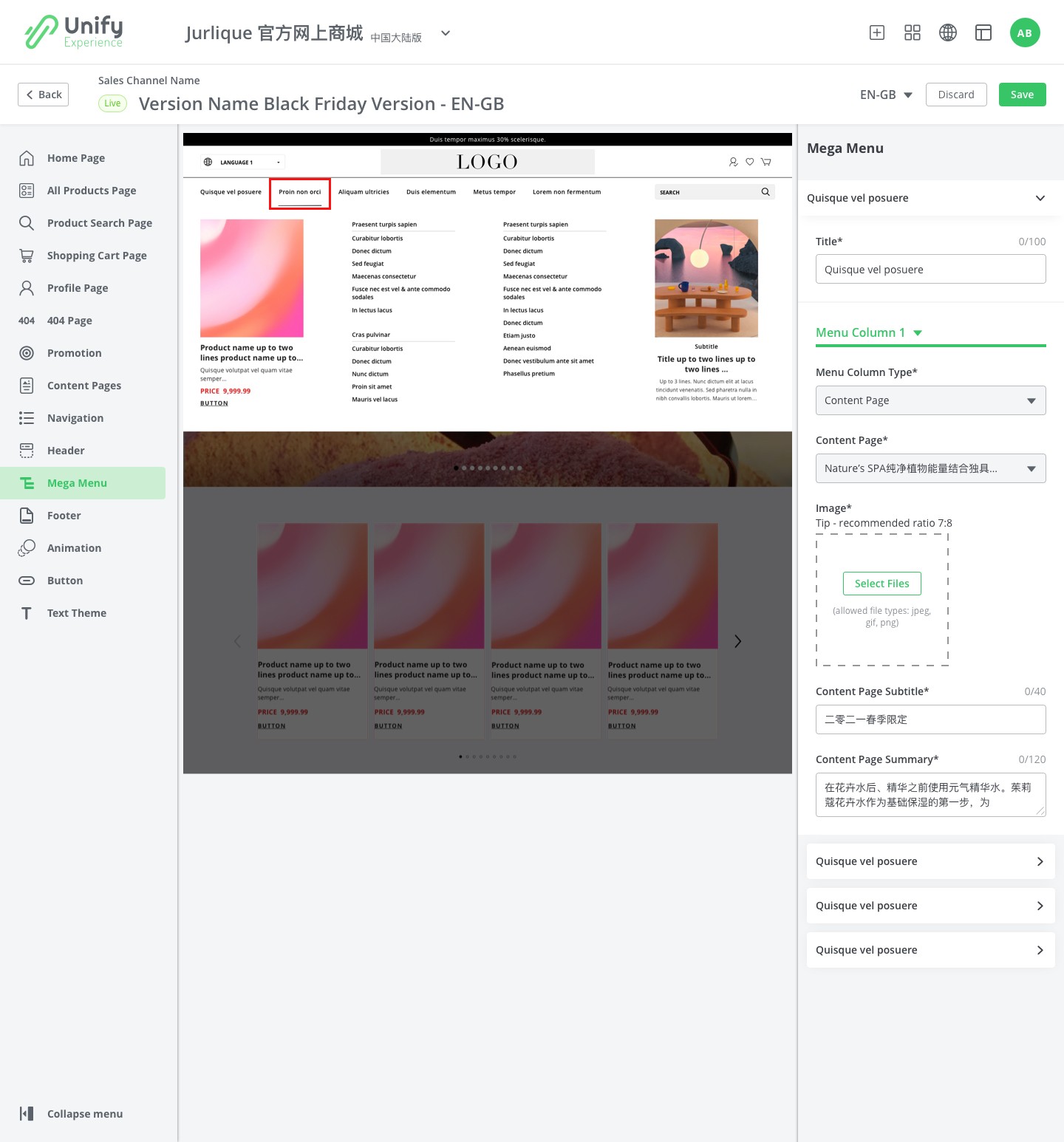
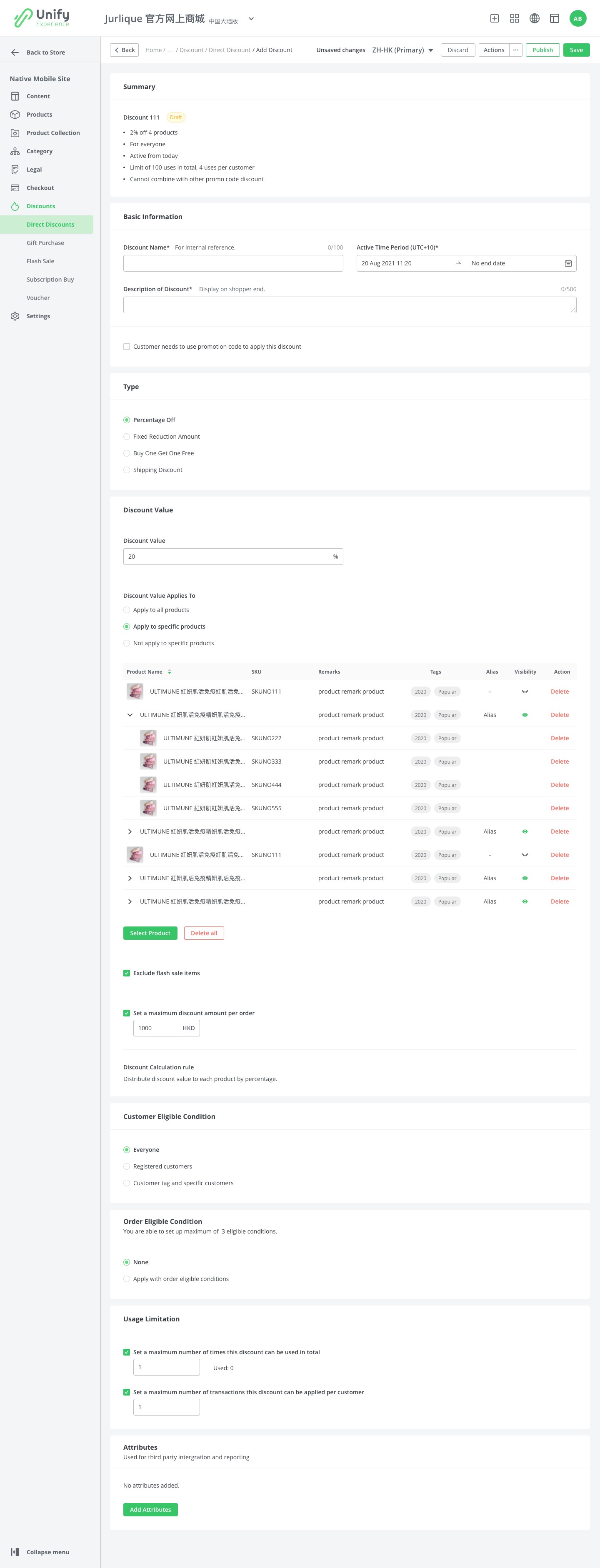
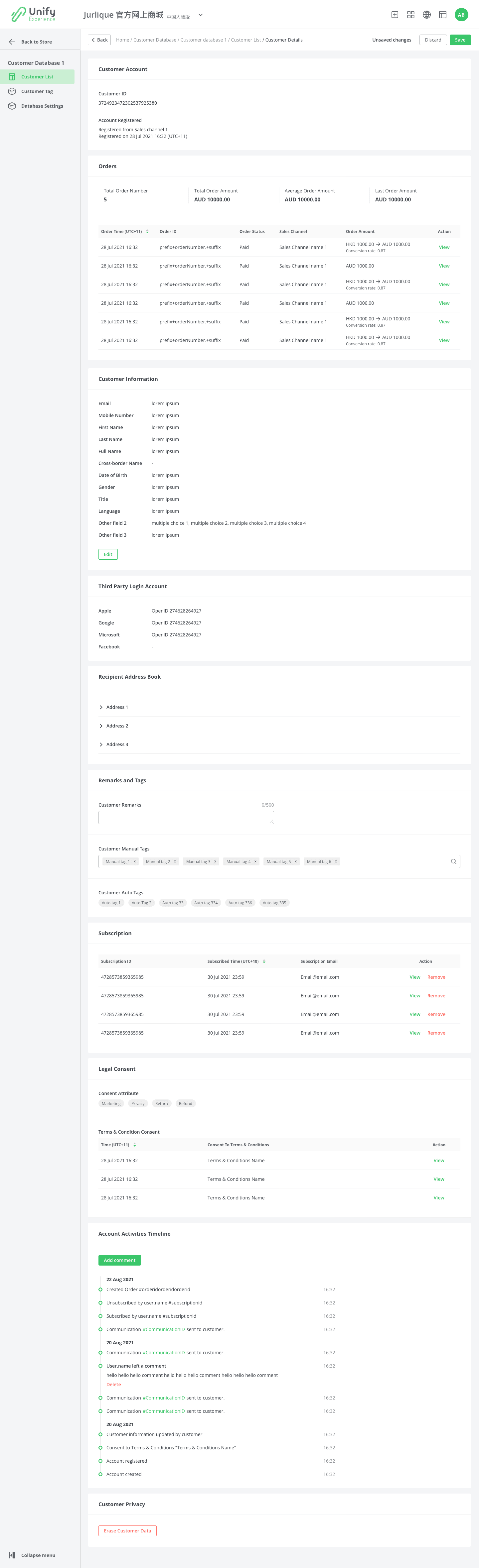
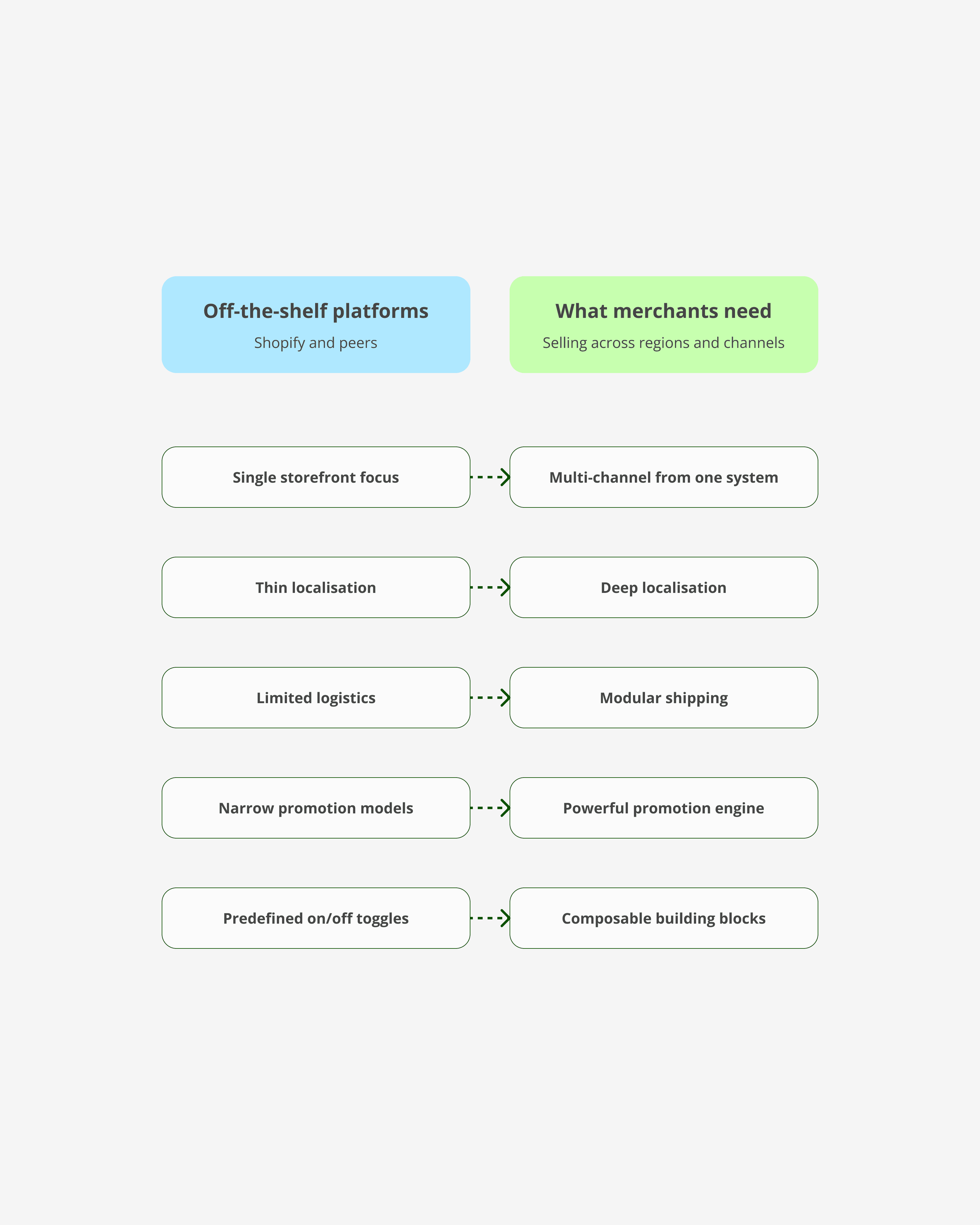
UnifyXP is an e-commerce platform for brands selling across multiple regions and digital surfaces from a single system. Off-the-shelf platforms like Shopify couldn't do the job — they're restrictive where it counts: thin localisation, limited logistics integration, and a narrow set of discount and promotion models. None of that holds up when one store needs to run multiple brands across multiple regions, selling to shoppers with very different expectations of online retail.
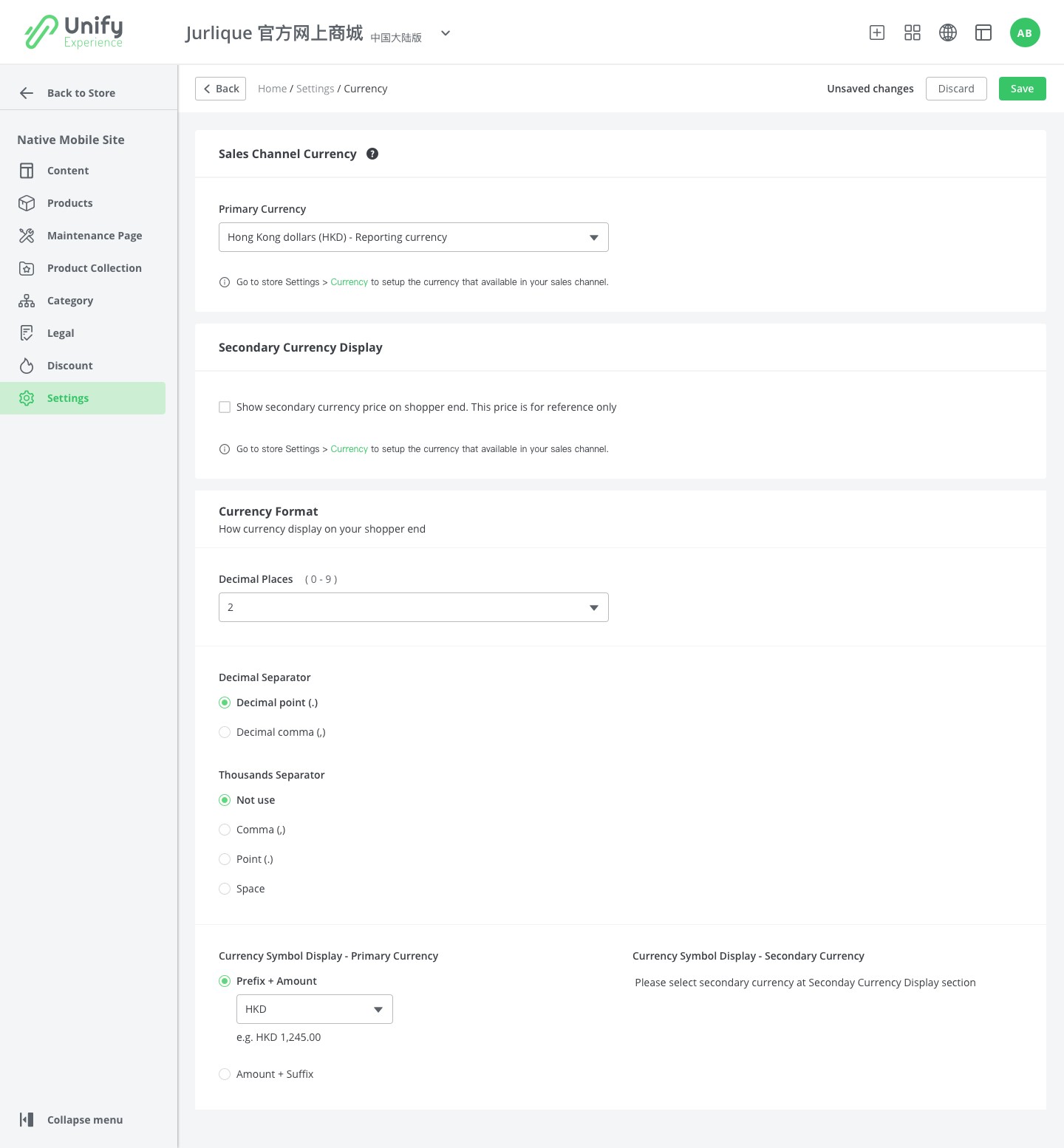
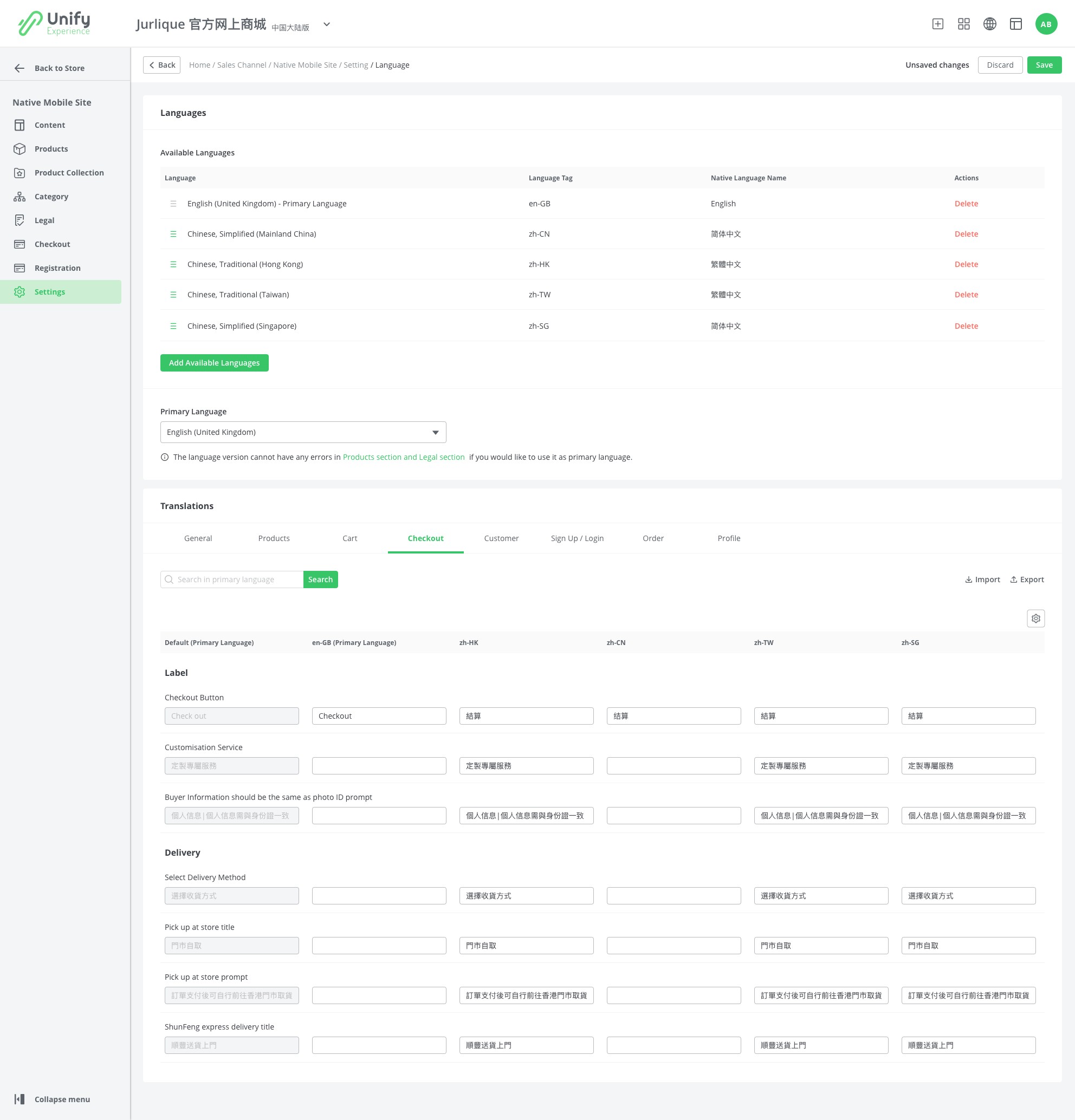
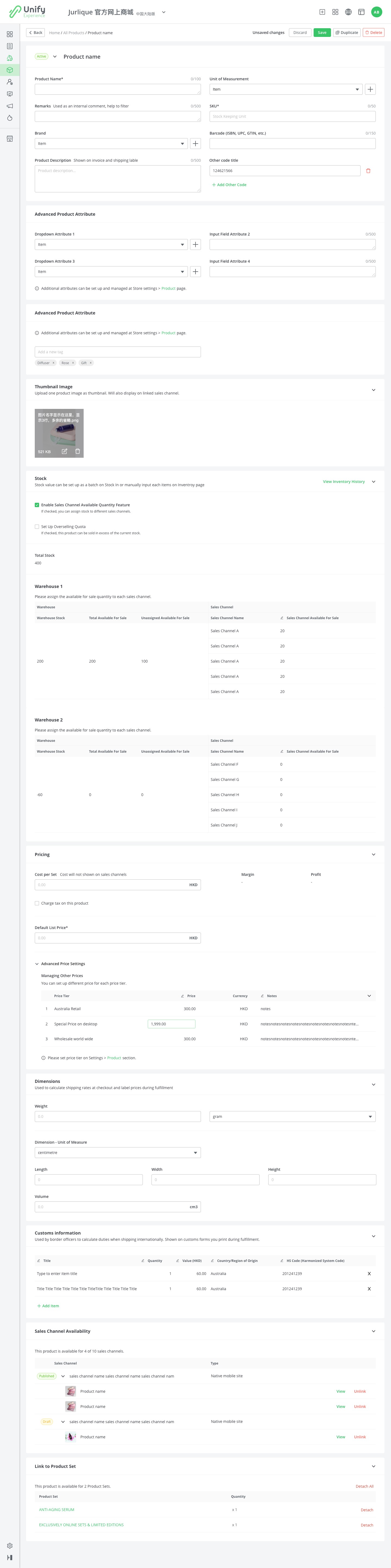
The real design challenge wasn't any single feature. It was making one platform flexible enough to handle wildly different merchant setups — different currencies, warehouses, logistics partners, and promotion models. Every gain in flexibility was paid for in complexity. The design work was making that complexity feel manageable.
I was the sole designer for the majority of the project, owning design end-to-end across roughly 18 months, from business requirements through to development hand-off, embedded in an agile team.
Requirements and solutioning — business requirements gathered first-hand, technical constraints researched, solutions worked out in workshops with engineers
Interaction and logic design — the configuration models and system logic across the platform's modules
Specs and flow charts — logic flow charts and detailed design specifications as the hand-off artefacts
Implementation partnership — hands-on through build, pairing with the engineering team rather than handing off and walking away

This ran at startup pace inside an agency, with no formal user research. Design decisions came from business and technical requirements, engineering workshops, and e-commerce convention. So I worked from a few principles that ran through every module, repeated consistently to keep the platform usable as it grew more flexible.
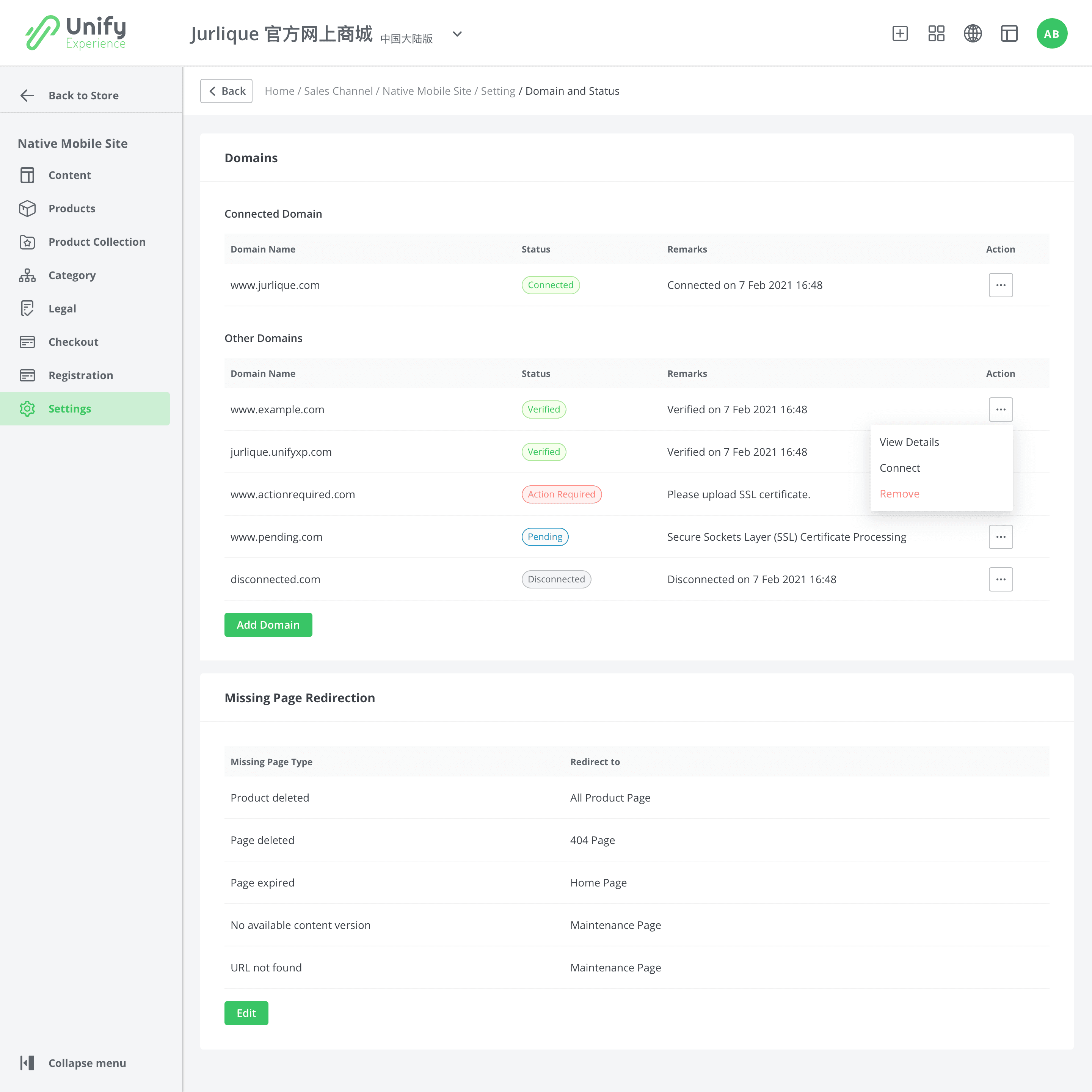
The platform is built on a two-level model. A 'store' is the merchant. A 'sales channel' is a place they sell. Merchants build their setup once at store level (delivery methods, payment gateways), then turn pieces on or off per channel. UnifyXP lets merchants compose their own and reuse them everywhere. That model is the single most important design decision in the platform — it's what makes flexibility manageable instead of chaotic, and the robustness of the store-to-channel link is what the whole system rests on.

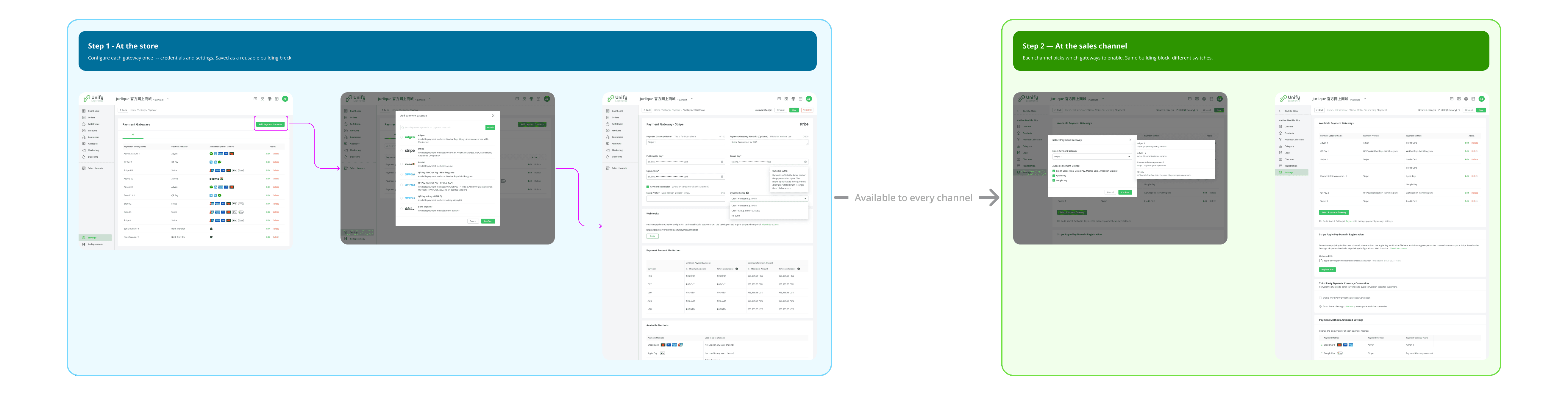
Every setup screen is a table with an "Add new" button. The hard design work wasn't the table; it was the configuration logic inside each module — what depends on what, what breaks if you change it later. Keeping the outer pattern consistent is what let the inner complexity stay learnable.